03 / 08
Neurosurgical knowledge hub
Calm, checkable explanations for patients and families: what selected conditions are, how assessment may work and what questions may help.
01
Information, not a diagnosis
This knowledge hub explains terms and helps you prepare for a conversation with a clinician. It does not diagnose a condition, determine suitability for surgery or replace a consultation.
Similar symptoms can have many causes. MRI or CT findings must be interpreted together with the history and neurological examination; not every imaging finding requires surgery.
02
Urgent symptoms — do not wait for an email
In Poland, call 112 or 999 when life or health is in immediate danger. The examples below are not a complete list.
- loss of consciousness, inability to wake, breathing difficulty or a seizure—especially a first seizure, one lasting more than 5 minutes or without recovery;
- sudden weakness or numbness of the face, arm or leg, speech, vision or walking problems, or a sudden extremely severe headache;
- after a head injury: increasing drowsiness, a seizure, new weakness or numbness, walking or speech problems, or clear fluid or blood from the nose or ear;
- back pain with new numbness around the saddle area, inability to pass urine, loss of bladder or bowel control, or sudden loss of feeling or strength in a leg.
- in a person with a shunt: new severe headache, vomiting, sleepiness, fever, or redness and tenderness along the shunt require urgent contact with the treating team; altered consciousness or rapid deterioration requires 112/999.
Topics
Choose a topic
Start with a short introduction. Open a topic for detailed information, a diagram or animation, symptoms, assessment, treatment options, a patient journey and sources.
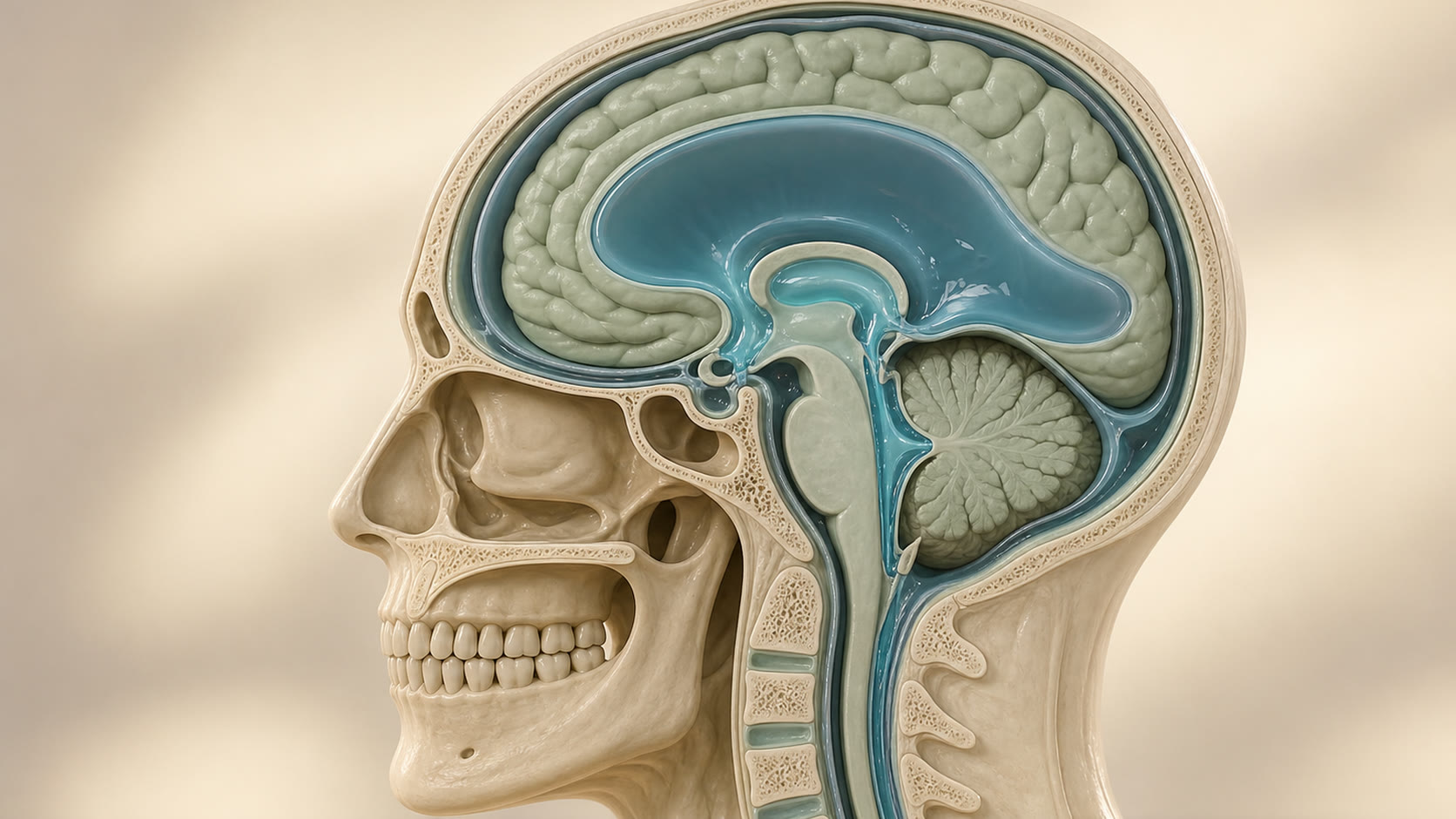
Brain and cerebrospinal fluid
Anatomy, cerebrospinal-fluid flow and conditions at the skull–spine junction.
Children and adults
Hydrocephalus: understanding cerebrospinal-fluid pathways and care
What cerebrospinal-fluid build-up means, possible symptoms, and when a shunt or endoscopic treatment may be considered.
Open the full guide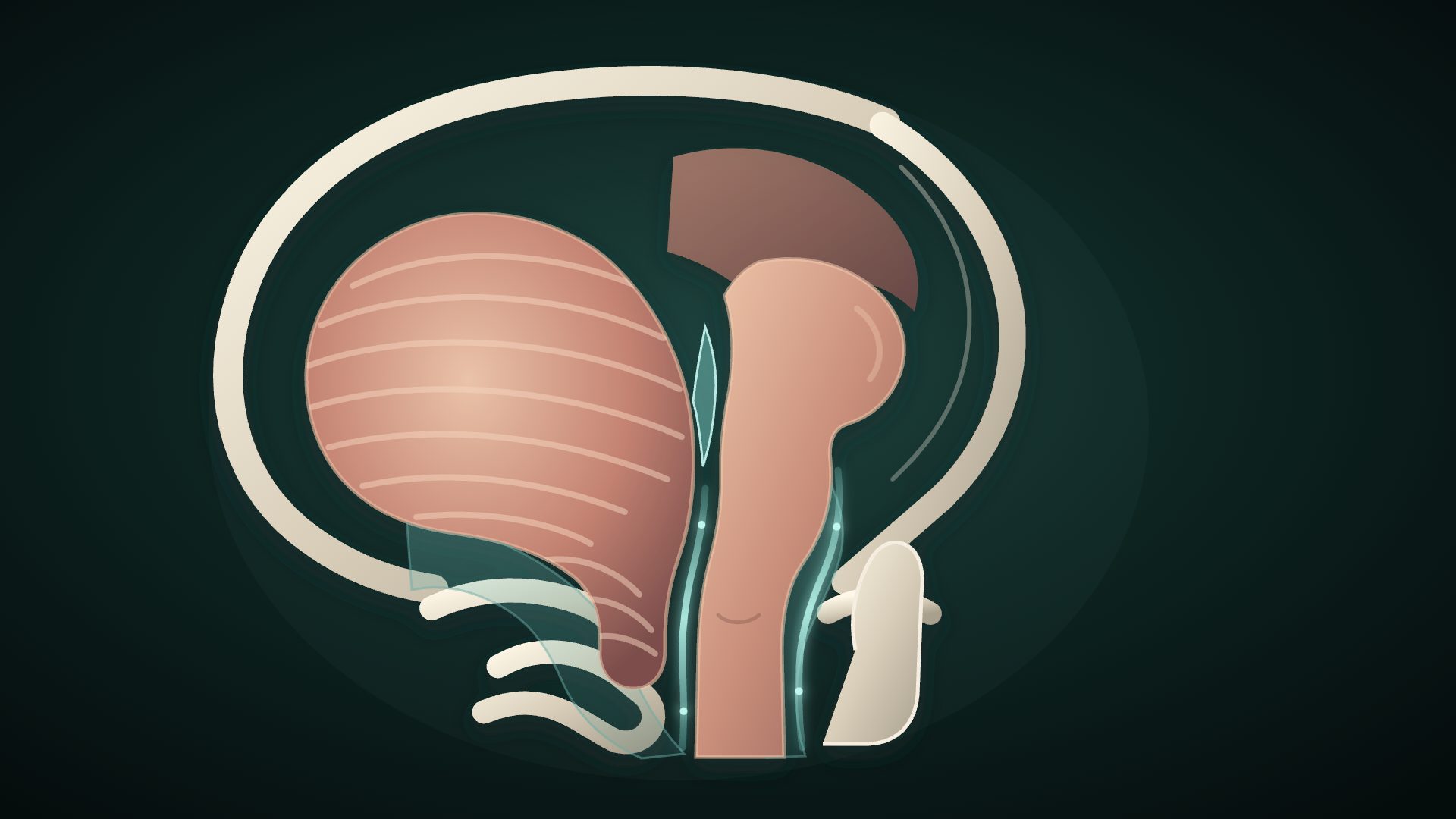
Children and adults
Chiari type one malformation: symptoms, MRI and treatment decisions
How an incidental MRI finding is distinguished from symptomatic Chiari and when decompression may be discussed.
Open the full guideNeuro-oncology
Different tumour types need different tests, specialist teams and care plans.
Adults and young people; children separately
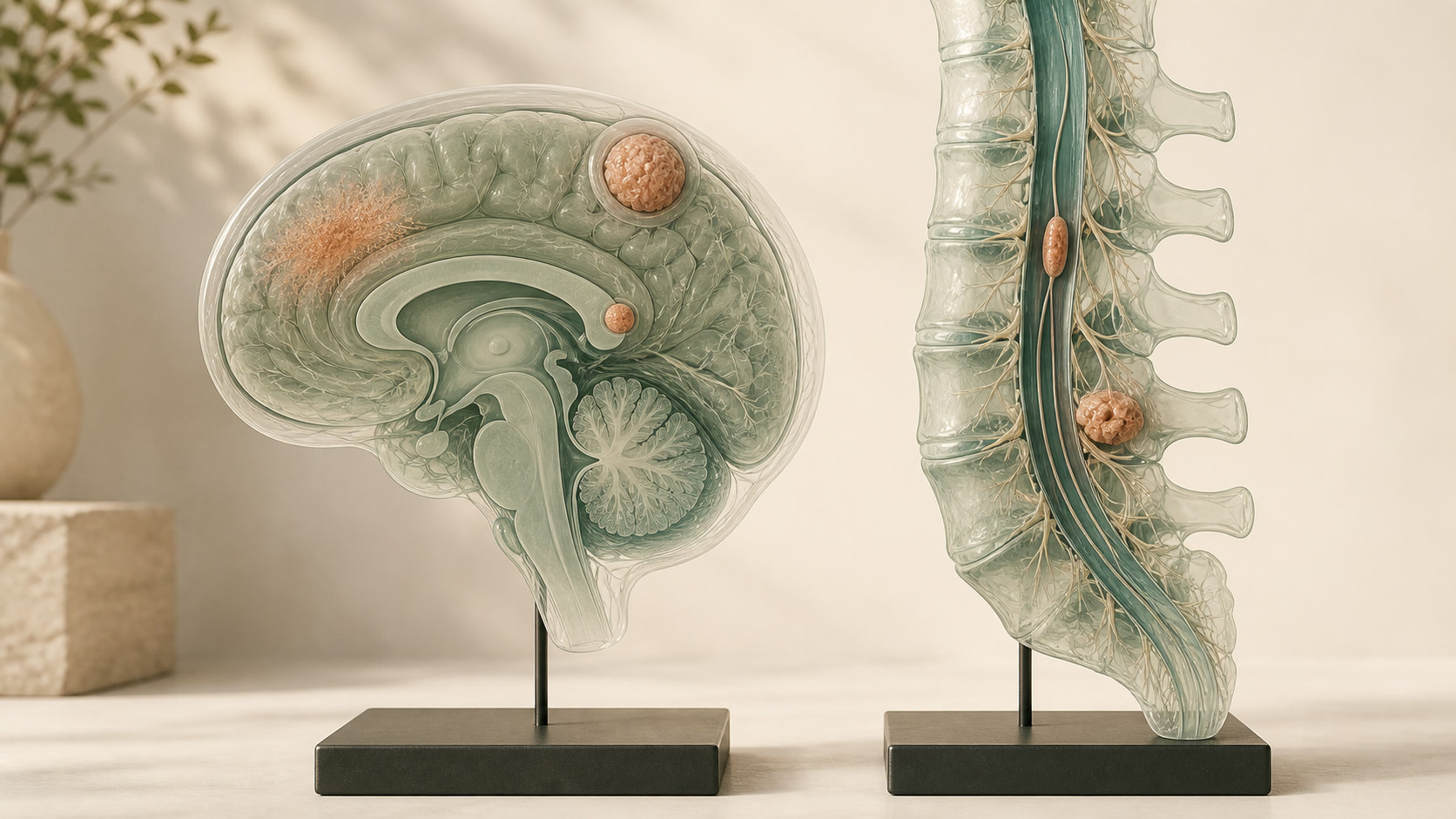
Brain and spinal tumours: finding the right care pathway
A starting point for understanding brain and spinal-canal tumours and the role of a multidisciplinary team.
Open the full guide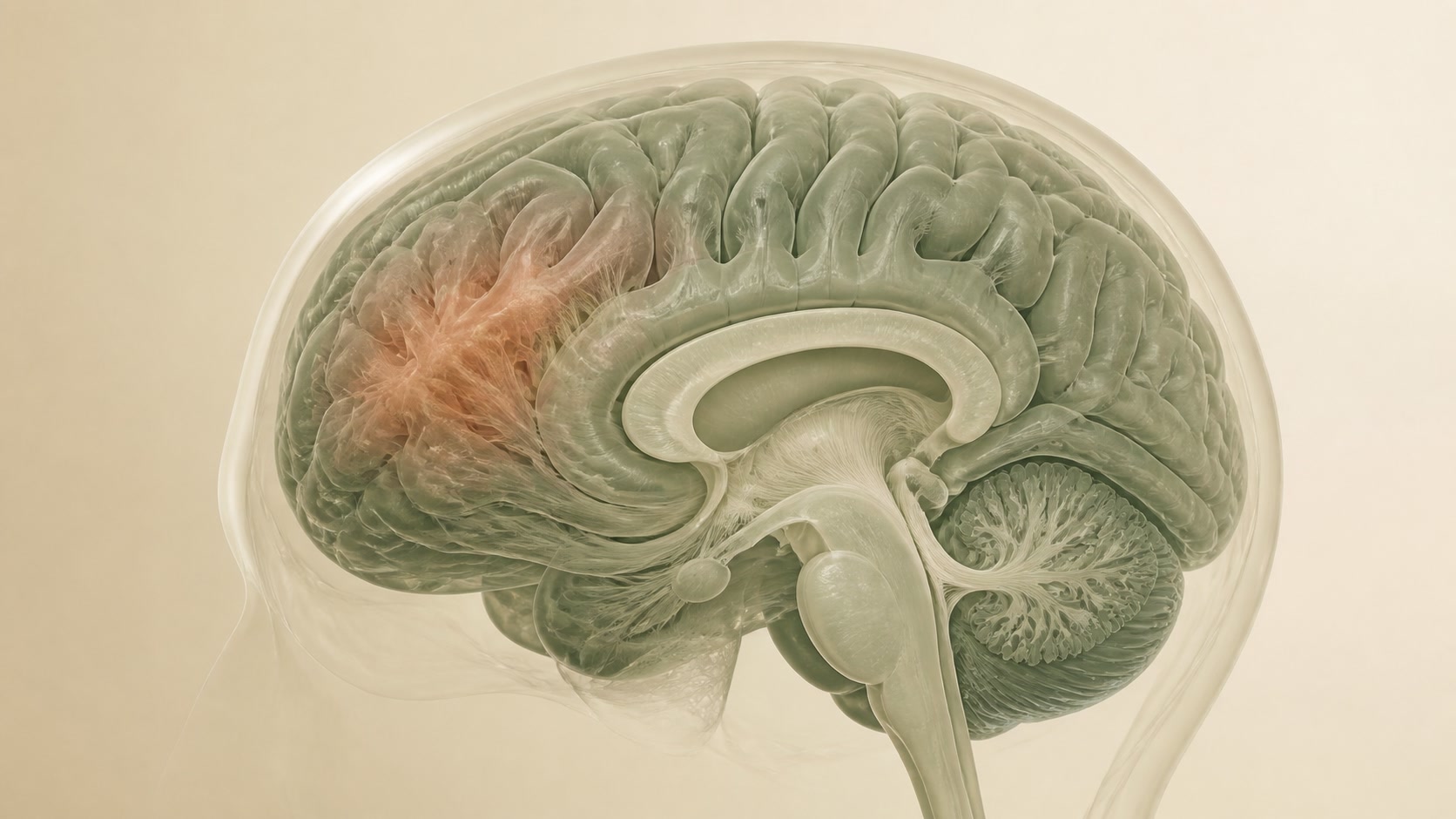
Mainly adults; children separately
Glioma: diagnosis, function and treatment choices
Why glioma is not one diagnosis and how imaging, tissue and molecular markers shape the plan.
Open the full guide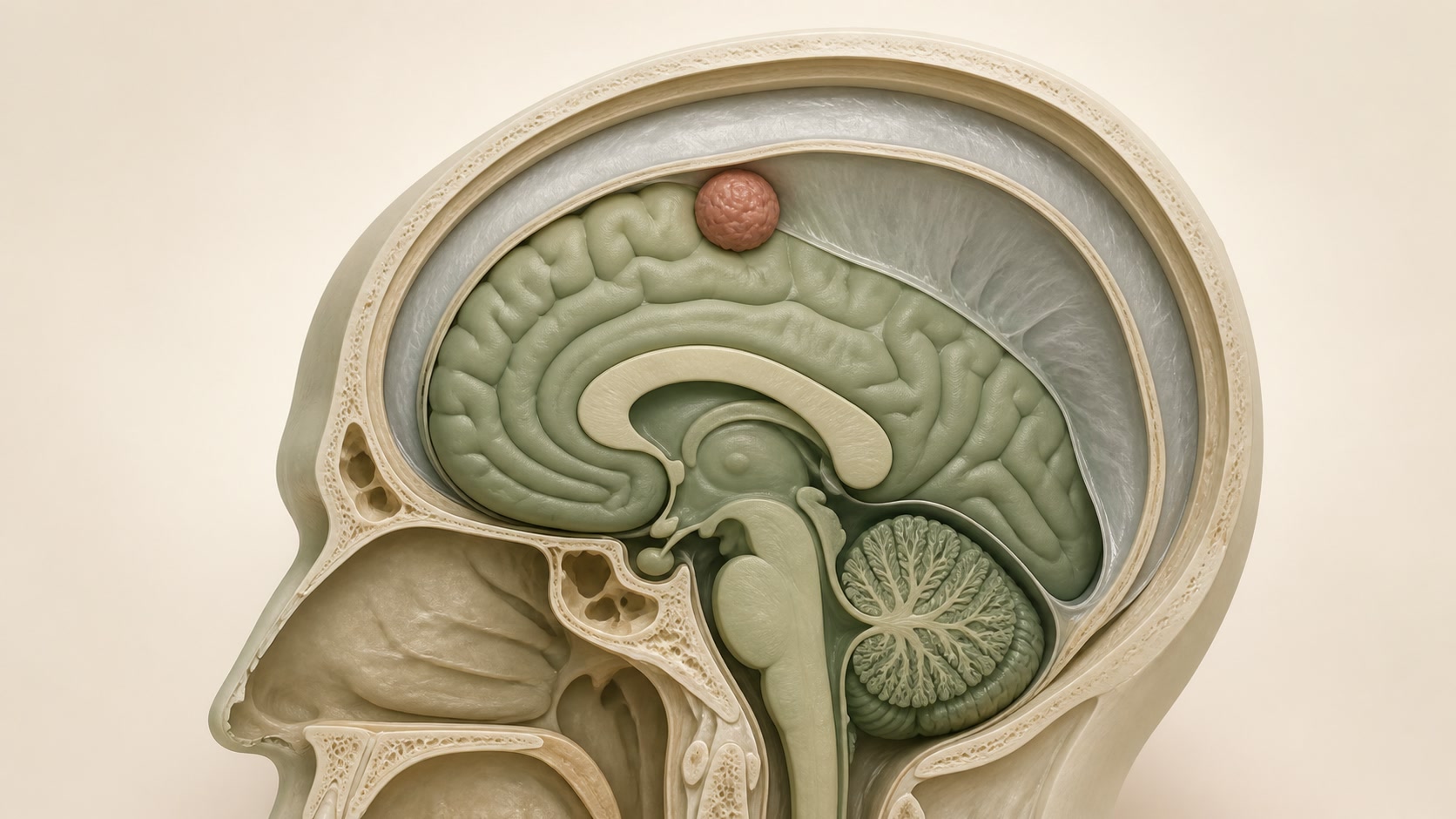
Mainly adults
Meningioma: when monitoring or treatment may be appropriate
When a meningioma may be monitored and when location, growth or symptoms lead to a treatment discussion.
Open the full guide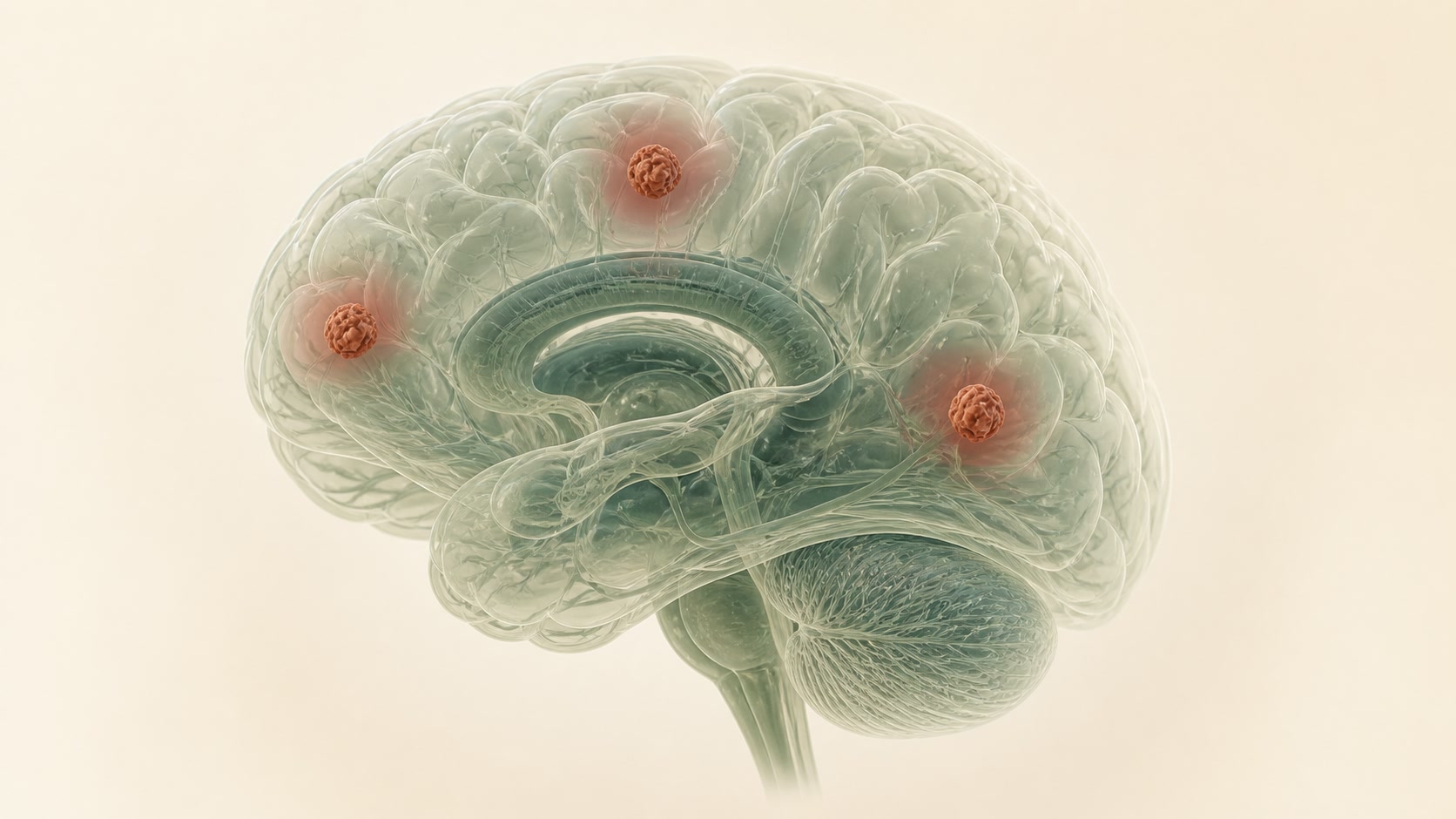
Adults
Brain metastases: local treatment within the whole cancer plan
How treatment of a brain lesion is coordinated with the wider cancer plan and protection of neurological function.
Open the full guide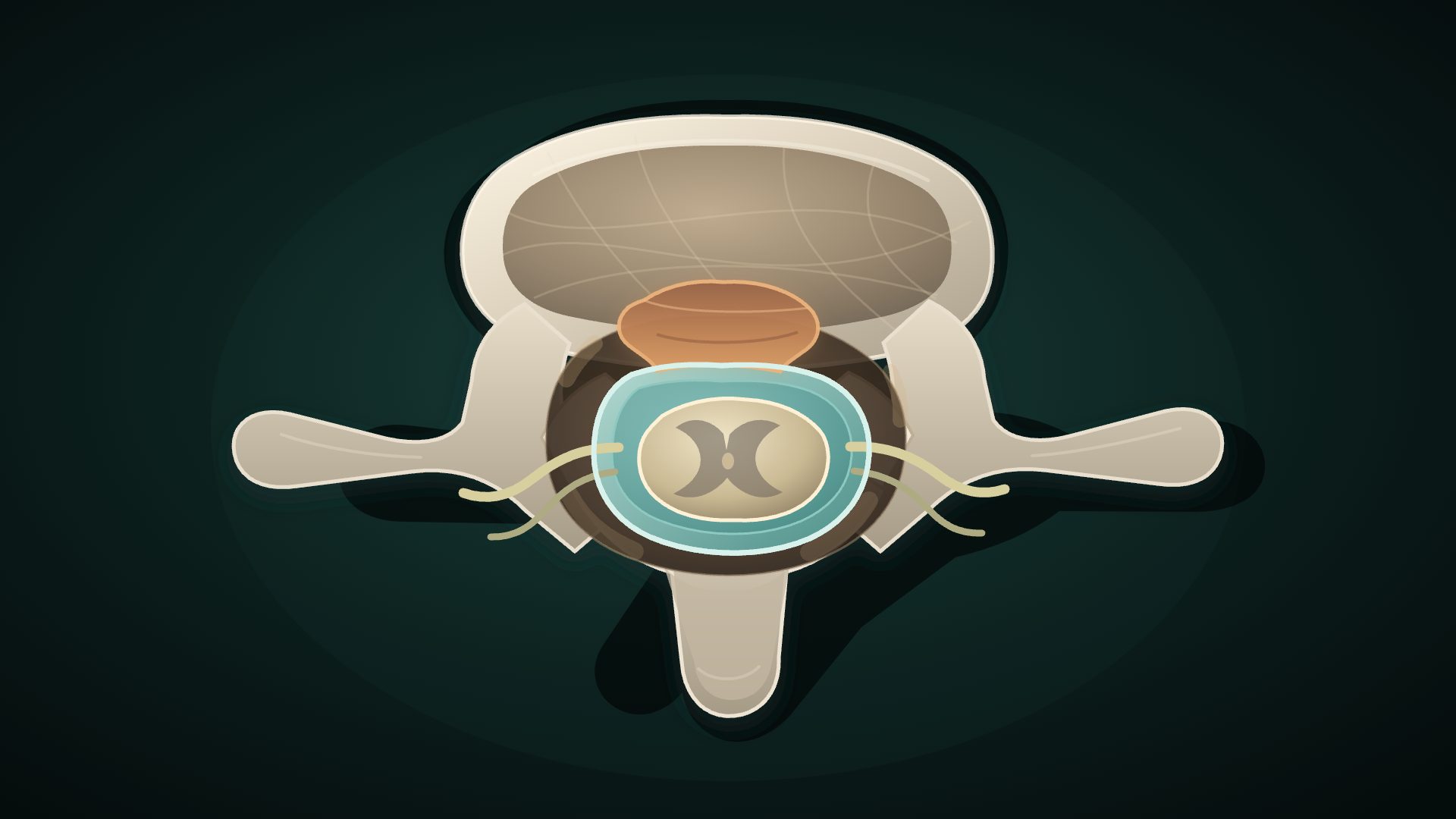
Adults; children separately
Spinal-canal tumours: primary lesions, metastases and cord protection
How tumours of the cord, coverings, nerve roots and vertebrae differ from metastatic spinal-cord compression.
Open the full guideSpine and nerve roots
How symptoms, neurological examination and imaging are brought together before treatment is considered.
Adults
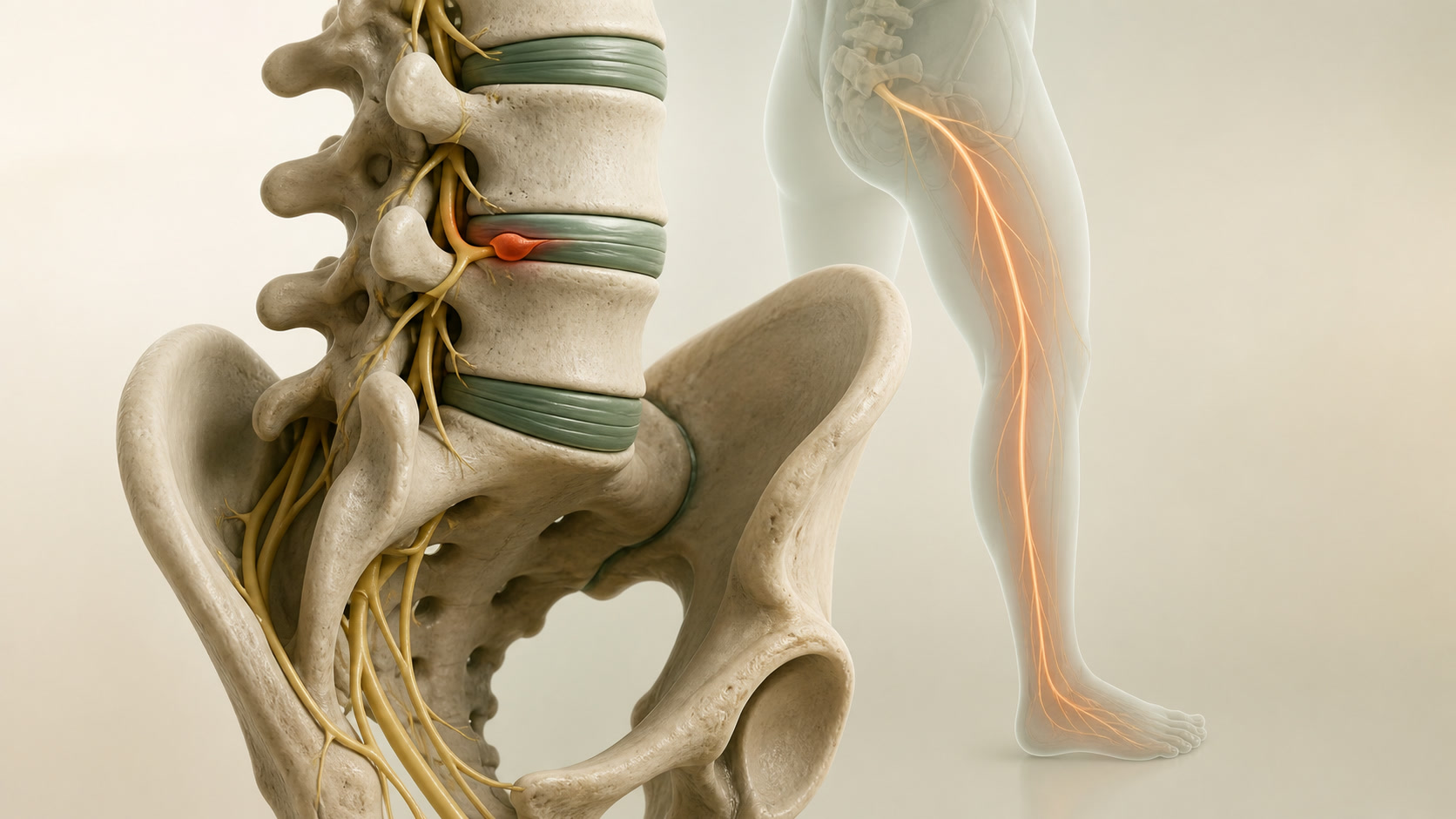
Lumbar disc herniation: understanding the options
When a disc herniation truly fits nerve-root symptoms, which warning signs matter, and what surgery can realistically achieve.
Open the full guideInjury and vascular neurosurgery
Symptoms that need rapid assessment and how the next stage of care may be planned.
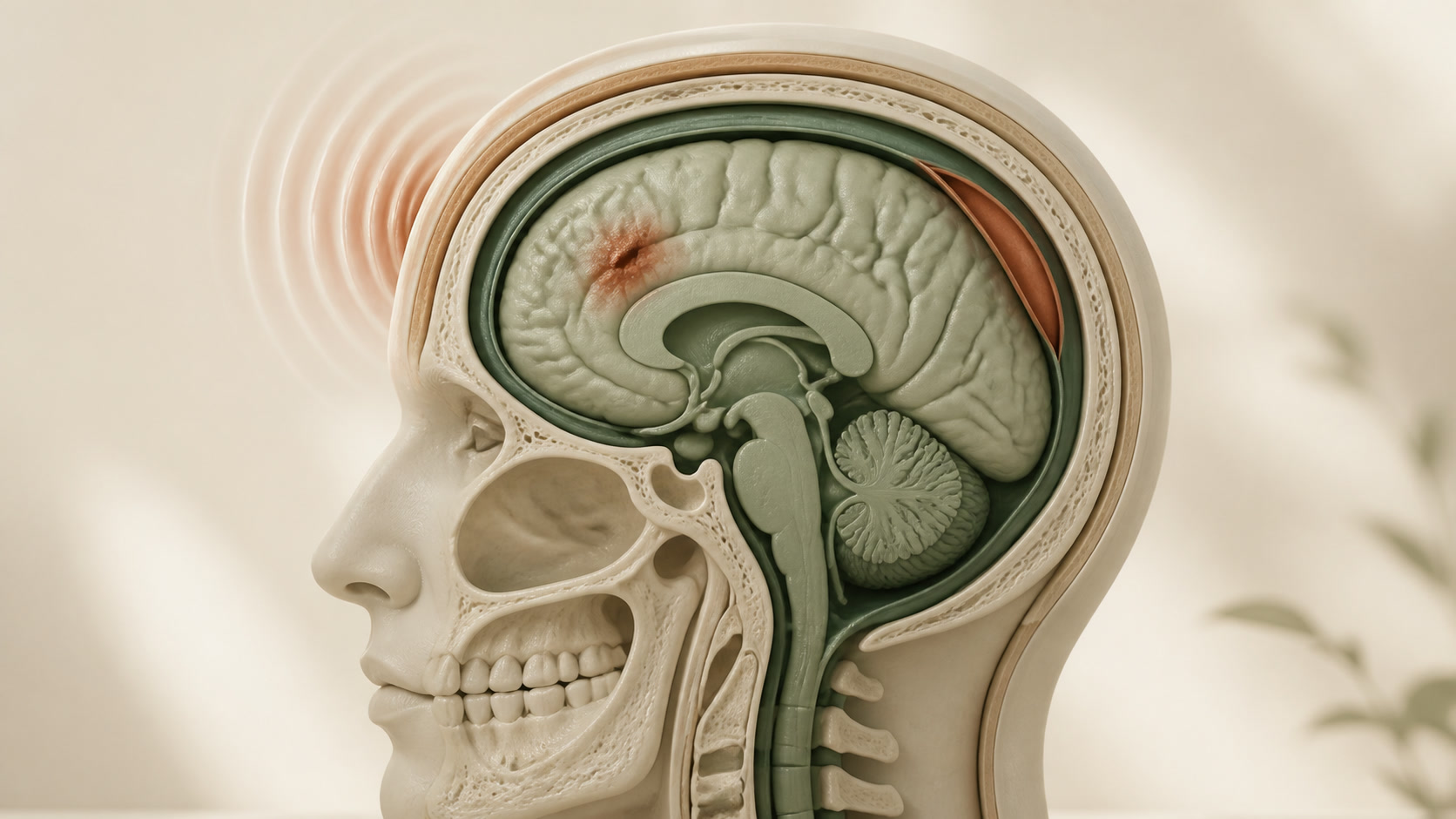
Children and adults
Head injury: assessment, recovery and the neurosurgical role
How warning signs after a head injury are recognised and when observation, CT or neurosurgery may be needed.
Open the full guide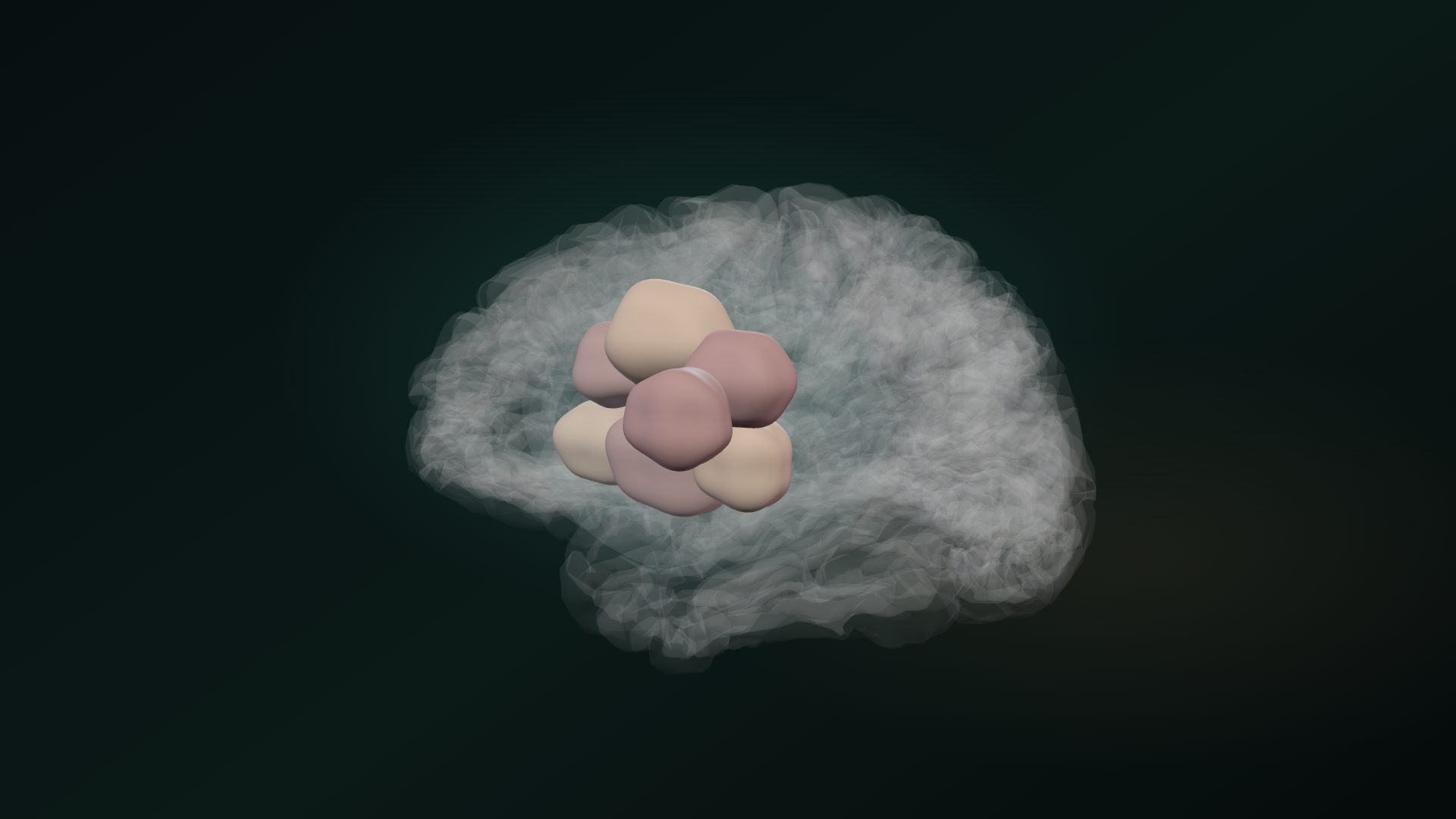
Mainly adults; children separately
Vascular neurosurgery: understanding five different pathways
Aneurysms, AVMs, fistulas, cavernous malformations and moyamoya need separate risk assessment and different treatments.
Open the full guide03
Preparing for an appointment
Preparation can help make the conversation useful. Do not send records containing sensitive data through ordinary email unless the provider gives you a secure method.
- prepare a list of medicines and supplements, previous records and imaging;
- note when symptoms began, how often they occur and what changes them;
- ask what is known, what remains uncertain, and about the options, alternatives, risks and follow-up plan;
- make sure you understand the next step and which symptoms require urgent help.
04
General neurology — not neurosurgical indications
Neurology basics: patient orientation
These short explanations develop topics covered in the Polish educational material. They help organize basic concepts, but they cannot identify the cause of symptoms or determine whether surgery is appropriate.
- Grey and white matter have different roles in processing and carrying information through the nervous system. These terms alone do not explain symptoms or indicate treatment.
- Sleepwalking is a sleep-related behaviour within the broader field of sleep medicine, not a neurosurgical indication. Discuss it with a clinician if there is a risk of injury, sleep is disrupted, or other concerning symptoms occur.
- Tics are sudden, repeated movements or sounds. Their type, duration and effect on daily life require clinical assessment; educational material cannot diagnose Tourette syndrome and does not describe indications for surgery.
05
Instagram materials: neurology and health
The links below open original Instagram material. They also cover neurology and nervous-system basics—not every topic is a neurosurgical condition or an indication for surgery. The source material is in Polish.
Future AI-presenter explainers will be produced only in English. No synthetic Polish or Hungarian versions will be made.
Istota szara i biała – czym się różnią?
A short foundation on the difference between grey and white matter. It is a broad introduction to the nervous system, not an assessment of symptoms.
Opens the original Instagram material in a new tabLunatykowanie to znacznie więcej niż nocne chodzenie
An explainer on sleepwalking as a sleep-related topic. It is not about neurosurgical indications and does not provide a diagnosis.
Opens the original Instagram material in a new tabZespół Tourette’a — więcej niż tiki
A short introduction to Tourette syndrome as a broader neurological topic. It is not about indications for surgery or individual advice.
Opens the original Instagram material in a new tab06
Content governance
Version updated 23 August 2026. Institutional and primary sources are listed with the relevant section or full guide.